
Introduction
Overview of Europe as a Culturally Diverse Continent
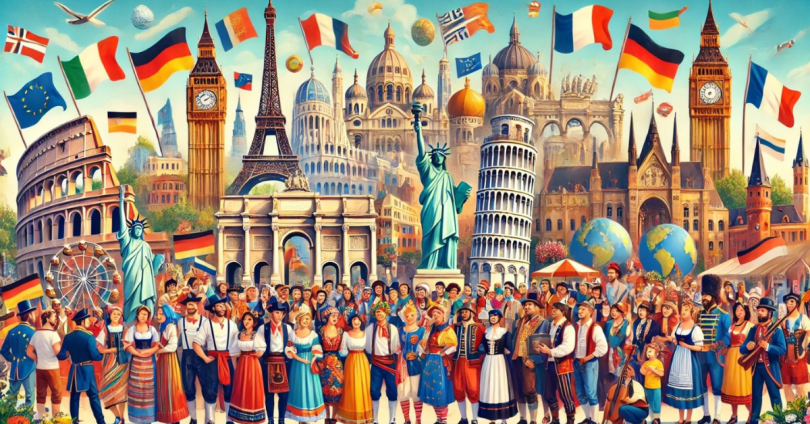
Europe is a culturally diverse continent made up of many countries, each with its own unique identity, traditions, and way of life. From the historic streets of Athens to the modern cities of Stockholm, this diversity is reflected in languages, customs, cuisine, and daily social behavior.
Regional Diversity in Daily Life
Even neighboring countries can have very different lifestyles, shaped by history, religion, and geography.
Importance of Traditions in Shaping Modern European Lifestyle
Traditions play a vital role in shaping the modern European lifestyle. Many cultural practices—such as festivals, family values, and local etiquette—have been passed down through generations and continue to influence how people live, work, and interact today.
Connection Between Past and Present
These traditions help maintain cultural identity while adapting to modern society.
How History, Geography, and Culture Influence Daily Life
At the same time, Europe’s history, geography, and cultural evolution have deeply influenced everyday life. Regional climates, historical events, and cross-cultural exchanges have all contributed to the rich variety of lifestyles seen across the continent.
Example of Cultural Influence
For instance, coastal regions often emphasize seafood-based diets, while mountainous areas focus on hearty, traditional meals and close-knit communities.
Diversity of European Lifestyle
2.1 Western Europe Lifestyle
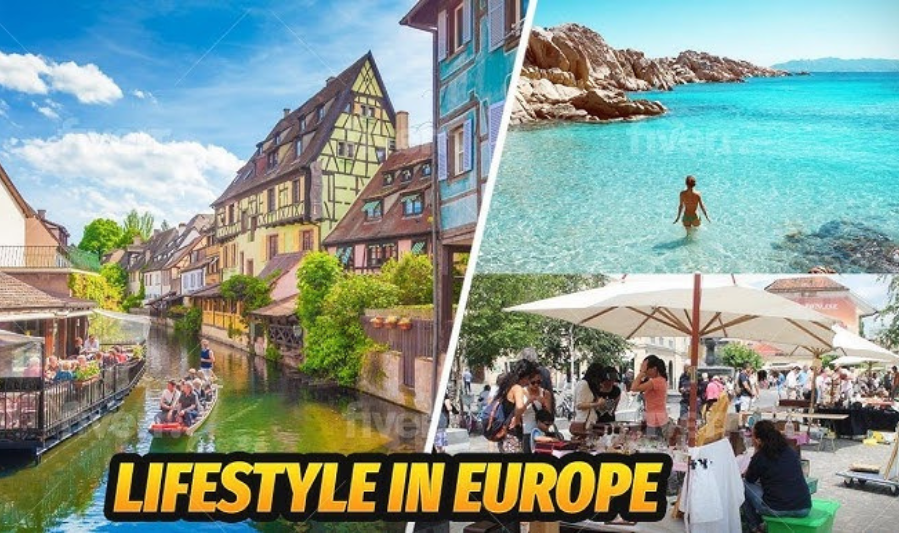
Countries like France, Germany, and the Netherlands represent a highly structured and modern lifestyle.
Work-Life Balance and Structured Daily Routines
People generally follow organized schedules with a strong emphasis on productivity during working hours and personal time afterward. Work-life balance is an important cultural value.
Urban Living and Public Transportation Culture
Cities such as Paris, Berlin, and Amsterdam are highly urbanized, with efficient public transport systems, cycling networks, and walkable neighborhoods shaping everyday life.
2.2 Southern Europe Lifestyle
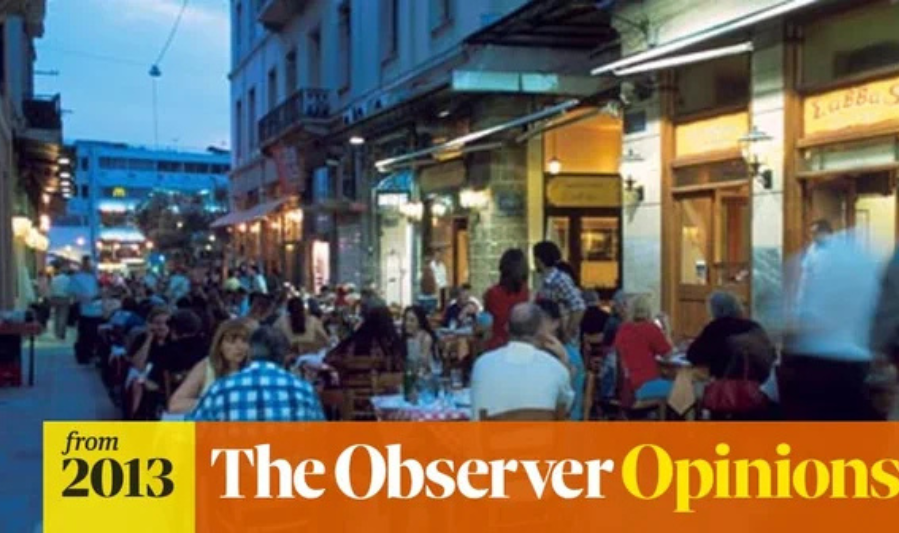
Countries like Italy and Spain are known for their relaxed and socially rich lifestyle.
Relaxed Lifestyle and Strong Social Culture
Daily life tends to move at a slower pace compared to Northern Europe, with greater emphasis on enjoying the moment and social interactions.
Importance of Family Gatherings and Long Meals
Family plays a central role, and meals are often long, shared, and deeply social, especially during weekends and holidays.
2.3 Northern & Eastern Europe (Optional Expansion)
Climate Influence on Lifestyle
Colder climates in Northern and Eastern Europe shape indoor-focused lifestyles, with strong seasonal differences affecting daily routines and activities.
Focus on Simplicity, Nature, and Minimalism
Countries in these regions often value simplicity, functional living, and a close connection to nature, with outdoor activities being an important part of life.
Strong Public Welfare Systems in Many Countries
Many nations in Northern Europe are known for strong social support systems, contributing to high living standards and stability in everyday life.
Family Structure and Social Life
Importance of Family in European Societies
Family remains a central part of life across Europe, though its role varies by region. In many countries such as Italy and Spain, strong family ties influence daily decisions, social life, and long-term support systems. Even in more individualistic societies like Sweden, family relationships are still valued, but independence is encouraged earlier in life.
Emotional and Practical Support
Families often provide both emotional stability and practical assistance, such as childcare, financial help, and guidance through major life decisions.
Differences Between Urban and Rural Traditions
Urban areas in cities like Berlin tend to have more individualistic lifestyles, with fast-paced routines and smaller household units. In contrast, rural regions across Europe often maintain closer-knit communities where extended families live nearby and traditions are preserved more strongly.
Lifestyle Contrast
City life is more career-focused and mobile, while rural life often emphasizes continuity, heritage, and community relationships.
Role of Community Events and Social Bonding
Community events such as local fairs, religious celebrations, and seasonal festivals play an important role in bringing people together. These gatherings strengthen social bonds and preserve cultural traditions across generations.
Shared Cultural Identity
Events like harvest festivals or town celebrations help reinforce a sense of belonging and shared identity within communities.
Weekly Routines Like Sunday Family Meals
In many European cultures, Sunday is traditionally reserved for family time. Extended family meals are common, especially in Southern European countries like Italy and France.
Cultural Significance of Shared Meals
These meals are more than just eating together—they represent connection, relaxation, and continuity of family traditions across generations.
Festivals and Cultural Celebrations
4.1 Major Traditional Festivals
Oktoberfest
The Oktoberfest is one of the most famous cultural festivals in Europe, celebrated in Munich. It is known for traditional Bavarian music, food, parades, and cultural costumes. The festival reflects strong regional identity and long-standing traditions of German culture.
Carnival of Venice
The Carnival of Venice, held in Venice, is famous for its elaborate masks, historical costumes, and artistic celebrations. It showcases Italy’s rich artistic heritage and historical grandeur.
La Tomatina
La Tomatina takes place in Buñol and is known as a fun and energetic tomato-throwing festival. It reflects Spain’s lively and festive cultural spirit, attracting visitors from around the world.
4.2 Seasonal Celebrations
Christmas Markets in Germany and Austria
During winter, cities across Germany and Austria transform into festive destinations with Christmas markets offering crafts, food, and seasonal decorations. These markets are an important part of European winter culture.
Easter Traditions Across Europe
Easter is widely celebrated with religious and cultural variations across Europe. Traditions include church services, family gatherings, and symbolic foods, especially in countries like Italy and Spain.
Summer Festivals and Music Events
Summer is a peak season for outdoor festivals, including music events, cultural fairs, and local celebrations across cities such as Prague and Amsterdam. These events highlight Europe’s vibrant and diverse cultural life.
Food and Dining Culture
Regional Cuisine Differences Across Europe
European cuisine varies widely from region to region, shaped by geography, climate, and history. Southern regions tend to favor olive oil, fresh vegetables, and Mediterranean flavors, while Northern regions focus more on seafood, preserved foods, and hearty meals. Central Europe blends influences from both, creating rich and diverse culinary traditions across countries like France, Italy, and Germany.
Role of Meals in Social Life
Meals in Europe are often more than just eating—they are a social experience. Families and friends gather around the table to talk, relax, and spend quality time together. In many cultures, especially in Southern Europe, meals can last for hours and are seen as an important part of daily life.
Social Connection Through Food
Sharing food is a way to strengthen relationships, celebrate traditions, and enjoy life at a slower, more meaningful pace.
Famous Foods by Country
France: Pastries and Fine Dining
France is known for its elegant culinary culture, including pastries like croissants and macarons, as well as fine dining experiences in cities such as Paris. French cuisine emphasizes quality ingredients and presentation.
Italy: Pasta and Pizza
Italy is globally famous for its pasta, pizza, and regional specialties. Cities like Rome and Naples are known for authentic traditional dishes that reflect strong regional identity.
Spain: Tapas Culture
Spain’s food culture is centered around tapas—small shared dishes enjoyed socially. This style of eating reflects the lively and communal lifestyle found in cities like Madrid.
Nordic Countries: Seafood and Simple Meals
In Nordic countries such as Sweden, cuisine often focuses on fresh seafood, whole grains, and simple, healthy meals that reflect a minimalist and nature-oriented lifestyle.
Education and Work Culture
Structured Education Systems in Many European Countries
Education systems across Europe are generally well-organized and structured, with clear stages from primary to higher education. Countries like Germany and France are known for strong academic frameworks that combine classroom learning with practical development.
Focus on Equal Access
Many European education systems emphasize equal access to schooling and aim to provide students with both academic and vocational pathways.
You may also like to read these posts:
Easy Ways to Speed Up Your Slow PC in Minutes
The Ultimate Europe Travel Guide for Beginners
Emphasis on Skill Development and Higher Education
Higher education is highly valued across Europe, with many students attending universities or vocational institutions to build specialized skills. Cities such as Amsterdam and Vienna are known for their international universities and research opportunities.
Practical Learning Approach
In addition to theory, many programs focus on real-world skills, internships, and hands-on training to prepare students for the job market.
Professional Work Culture and Labor Rights
Work culture in Europe is generally professional, structured, and regulated. Employees benefit from strong labor rights, including fair wages, safe working conditions, and regulated working hours, especially in countries like Sweden and Netherlands.
Work-Life Balance
Many European workplaces prioritize work-life balance, encouraging reasonable working hours and respect for personal time.
Importance of Vacations and Holidays
Paid vacations and public holidays are an important part of European work culture. Employees are encouraged to take extended breaks to rest and recharge, which supports productivity and well-being.
Cultural Value of Rest
In many countries, taking holidays is not only common but also considered essential for maintaining a healthy lifestyle and long-term job performance.
Faqs:
What makes European lifestyle unique?
European lifestyle is known for its strong work-life balance, cultural diversity, rich history, and emphasis on leisure, family time, and social life.
Do all European countries have similar traditions?
No, traditions vary widely. For example, Western countries like France focus on urban culture and cuisine, while Southern countries like Italy and Spain emphasize family gatherings and festivals.
What are some famous festivals in Europe?
Some well-known festivals include Oktoberfest, Carnival of Venice, and La Tomatina, each showcasing unique cultural traditions.
How important is food in European culture?
Food plays a central role in European life. Meals are often social events where families and friends gather, especially in countries like Italy, France, and Spain.
Is public transportation common in Europe?
Yes, many European cities such as Berlin and Amsterdam have excellent public transport systems, making travel easy and sustainable.
Conclusion
Europe is a continent rich in history, culture, and diversity, where every country contributes its own unique traditions and way of life. From the modern, fast-paced cities of Western Europe to the warm, family-centered societies of Southern Europe, the continent offers a fascinating blend of lifestyles.
Traditional festivals like Oktoberfest, the artistic beauty of the Carnival of Venice, and the playful spirit of La Tomatina reflect how deeply culture is rooted in everyday life.
Despite modernization, European societies continue to preserve their heritage while embracing innovation and global influences. This balance between tradition and modern living makes Europe one of the most culturally inspiring regions in the world.