
Introduction
Overview of Europe as a Cultural Hub
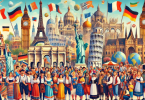
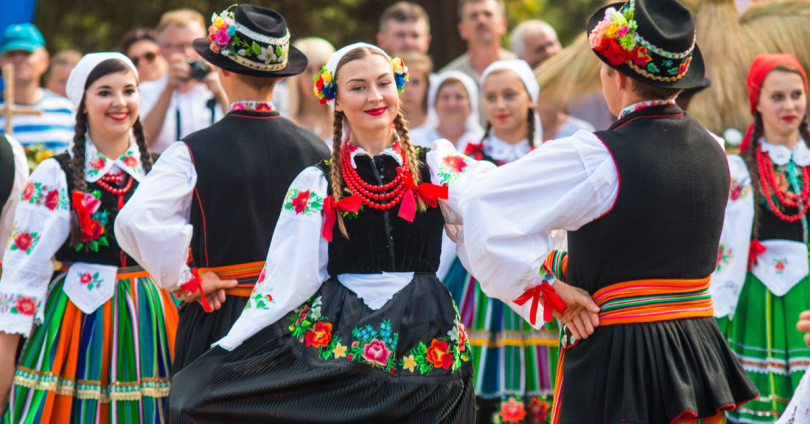
Europe is widely recognized as a global cultural hub, bringing together centuries of history, art, architecture, and traditions. From ancient landmarks in Athens to modern cultural centers like London, the continent reflects a rich blend of past and present influences that shape its identity.
A Meeting Point of Civilizations
Throughout history, Europe has been a center of cultural exchange, where different civilizations have contributed to its diverse heritage.
Importance of Cultural Experiences in Travel
Cultural experiences are an essential part of traveling in Europe. They allow visitors to go beyond sightseeing and truly understand the lifestyle, traditions, and values of each destination.
Deeper Travel Experience
Engaging with local customs, food, and people helps travelers create more meaningful and memorable journeys.
What Makes Europe Unique for Cultural Exploration
Europe stands out for its incredible diversity within relatively short distances. Travelers can move between countries and experience completely different languages, cuisines, and traditions in just a few hours.
Diversity in Close Proximity
This unique variety makes Europe one of the most accessible and rewarding regions for cultural exploration.
Exploring Historic European Cities
Importance of City Heritage and Architecture
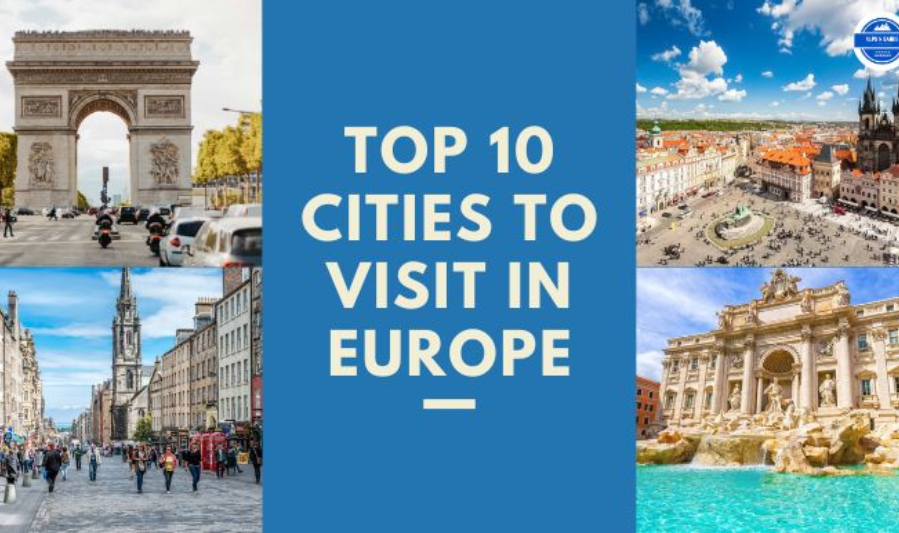
European cities are known for their rich heritage and architectural beauty, reflecting centuries of history and cultural development. From medieval streets to modern skylines, architecture plays a key role in preserving identity and telling the story of each place.
Living History in Urban Spaces
Many cities across Europe preserve historic districts where old buildings, monuments, and public squares remain an active part of daily life.
Key Cities like Paris, Rome, and Berlin
Cities such as Paris, Rome, and Berlin are prime examples of Europe’s cultural and historical richness. Paris is known for its art and iconic landmarks, Rome for its ancient history and architecture, and Berlin for its blend of historical significance and modern culture.
Unique Urban Identity
Each city offers a distinct cultural experience shaped by its historical background and development over time.
Walking Tours, Old Towns, and Historical Landmarks
Walking tours are one of the best ways to explore European cities. Old towns often feature narrow streets, traditional buildings, and historical landmarks that provide insight into the past.
Immersive Exploration
Visiting landmarks such as castles, cathedrals, and museums helps travelers connect with the history and culture of the region.
Influence of History on Modern Culture
History continues to influence modern European culture in areas such as architecture, traditions, and public life. Many festivals, customs, and city layouts are rooted in historical events and heritage.
Connection Between Past and Present
This blend of history and modernity creates a unique cultural environment where the past is still visible in everyday life.
Famous Cultural Festivals in Europe
Role of Festivals in European Traditions
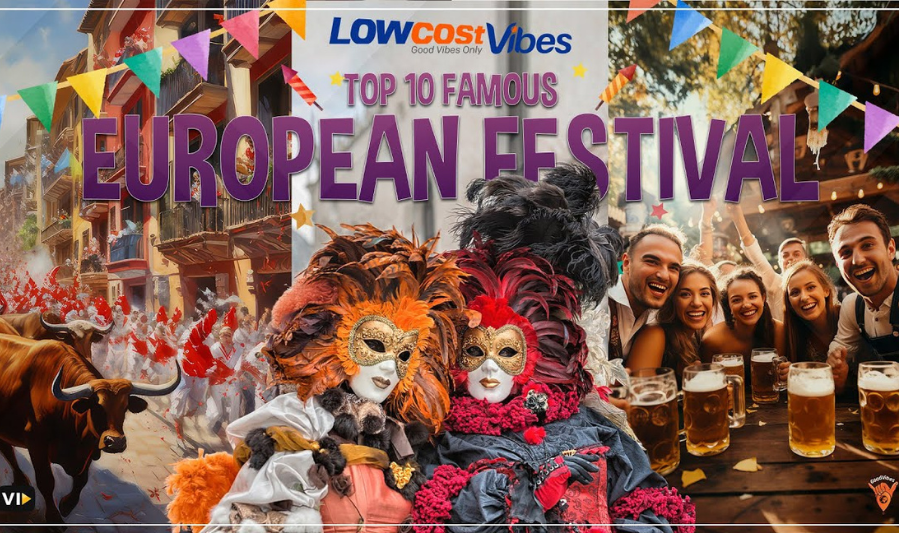
Festivals play an important role in European culture, bringing communities together to celebrate history, religion, seasonal changes, and local identity. These events are often deeply rooted in tradition and reflect the values and heritage of each region.
Cultural Connection and Community
Festivals help strengthen social bonds, preserve traditions, and pass cultural practices from one generation to the next.
Major Events like Munich Oktoberfest
Oktoberfest is one of the world’s most famous festivals, held in Munich. It celebrates Bavarian culture through music, traditional clothing, food, and social gatherings.
Celebration of Regional Identity
It highlights Germany’s cultural heritage and attracts visitors from around the world.
Unique Celebrations such as Carnival of Venice in Venice
The Carnival of Venice is known for its elaborate masks, costumes, and historical traditions. It reflects Italy’s artistic history and creative expression.
Artistic and Historical Significance
The festival transforms the city into a stage of music, art, and cultural performance.
Fun and Traditional Events like La Tomatina in Buñol
La Tomatina is a lively and playful festival where participants engage in a large tomato fight. It represents Spain’s energetic and festive culture.
Lighthearted Cultural Expression
It is one of Europe’s most unique and entertaining traditions, attracting global participation.
Seasonal Festivals (Christmas Markets, Easter Celebrations)
Seasonal festivals are widely celebrated across Europe. Christmas markets in countries like Germany and Austria are famous for festive decorations, food, and crafts. Easter celebrations are also important, especially in countries like Italy and Spain.
Food and Culinary Experiences
Importance of Food in European Culture
Food is a central part of European culture and daily life. It is not only about nutrition but also about tradition, identity, and social connection. Meals are often shared with family and friends, making dining an important cultural experience.
Food as a Social Tradition
Across Europe, meals are used to celebrate relationships, festivals, and everyday moments, strengthening community bonds.
Country-Based Cuisines
Italy (Pasta, Pizza) – Italy
Italy is famous worldwide for its rich culinary traditions, especially pasta, pizza, and regional dishes that vary from north to south.
France (Pastries, Fine Dining) – France
France is known for its refined cuisine, including pastries, bread, cheese, and fine dining experiences that emphasize quality and presentation.
Spain (Tapas Culture) – Spain
Spain’s food culture is centered around tapas—small shared dishes that encourage social eating and relaxed dining experiences.
Street Food and Local Markets
Street food and local markets are an important part of European culinary life. They offer fresh ingredients, traditional snacks, and affordable meals while showcasing local food culture.
Everyday Food Culture
Markets often reflect regional identity and give travelers a chance to experience authentic flavors and local specialties.
Dining Etiquette and Traditions
Dining etiquette varies across Europe, but respect and politeness are always important. In many countries, meals are enjoyed slowly, with attention to conversation and shared experience.
Key Dining Practices
Common traditions include waiting for everyone to be served, using polite language, and appreciating the pace of the meal rather than rushing.
Museums, Art, and Heritage Sites
Famous Museums (Louvre, British Museum, etc.)
Europe is home to some of the world’s most important museums, showcasing art, history, and cultural artifacts from different eras. The Louvre Museum in Paris is one of the most visited museums globally, while the British Museum in London houses vast collections from ancient civilizations.
Cultural Learning Through Museums
These institutions allow visitors to explore human history, creativity, and cultural development in one place.
Ancient Monuments and UNESCO Heritage Sites
Europe has a rich collection of ancient monuments and UNESCO World Heritage Sites, including Roman ruins, medieval castles, and historic city centers. Cities like Rome are especially known for landmarks such as the Colosseum and ancient temples.
Protecting Global Heritage
These sites are preserved to protect historical significance and allow future generations to experience world heritage.
Role of Art in European Identity
Art has played a major role in shaping European identity for centuries. From Renaissance masterpieces to modern installations, art reflects cultural values, political history, and social change across the continent.
Expression of Culture and History
European art is not only decorative but also deeply connected to storytelling and historical expression.
You may also like to read these posts:
Easy Ways to Speed Up Your Slow PC in Minutes
The Ultimate Europe Travel Guide for Beginners
Preservation of History and Culture
Europe places strong emphasis on preserving its cultural heritage through museums, restoration projects, and protected landmarks. Governments and organizations work together to maintain historical sites and traditions.
Maintaining Cultural Legacy
This commitment ensures that Europe’s rich history remains accessible and meaningful for future generations.
Faqs:
What are the best cultural experiences in Europe?
Some of the best cultural experiences include exploring historic cities like Paris and Rome, attending festivals such as Oktoberfest, and trying traditional European cuisine.
Which European countries are best for cultural travel?
Countries like Italy, France, and Spain are very popular for cultural tourism due to their history, food, art, and festivals.
What cultural festivals should I attend in Europe?
Popular festivals include Carnival of Venice, La Tomatina, and Oktoberfest, each offering a unique cultural experience.
What is unique about European culture?
European culture is unique because it combines ancient history, diverse languages, traditional customs, and modern lifestyles, all within a relatively small geographical area.
How can I enjoy cultural experiences in Europe as a tourist?
You can enjoy cultural experiences by visiting museums, trying local food, attending festivals, exploring historic cities, and interacting respectfully with local people.
Conclusion
Europe offers some of the richest and most diverse cultural experiences in the world. From exploring historic cities like Paris and Rome to enjoying world-famous festivals such as Oktoberfest, every destination provides a unique glimpse into its heritage and traditions.
Whether it is food, art, architecture, or local festivals, each experience helps travelers understand the deep cultural identity of countries like Italy, France, and Spain.
By exploring Europe with curiosity and respect, travelers can create unforgettable memories and truly appreciate the beauty of its cultural diversity.