
Introduction
Overview of Europe as a Diverse and Modern Continent
Europe is a diverse and modern continent made up of many countries, each with its own unique traditions, languages, and way of life. From historic cultural centers like Rome to highly modern cities like Berlin, Europe combines rich heritage with contemporary living, creating a wide variety of lifestyles across the region.
A Blend of Tradition and Modernity
While deeply rooted in history, European societies continue to evolve, blending traditional values with modern ideas and global influences.
Why Understanding European Lifestyle is Important for Beginners
Understanding the European lifestyle is essential for anyone who wants to travel, study, or live in Europe. It helps beginners avoid cultural misunderstandings, communicate effectively, and adapt more easily to local norms and expectations.
Easier Adaptation and Better Experiences
Awareness of customs such as greetings, dining etiquette, and public behavior leads to smoother interactions and more meaningful experiences.
Who This Guide is For (Travelers, Students, New Residents)
This guide is designed for travelers exploring Europe, students planning to study abroad, and new residents settling into European life. It provides practical insights into daily habits, cultural norms, and social expectations across different countries.
Supporting Different Journeys
Whether visiting for a short trip or starting a long-term stay, this guide helps readers feel more confident and culturally aware in European environments.
Overview of European Lifestyle
Mix of Tradition and Modern Living
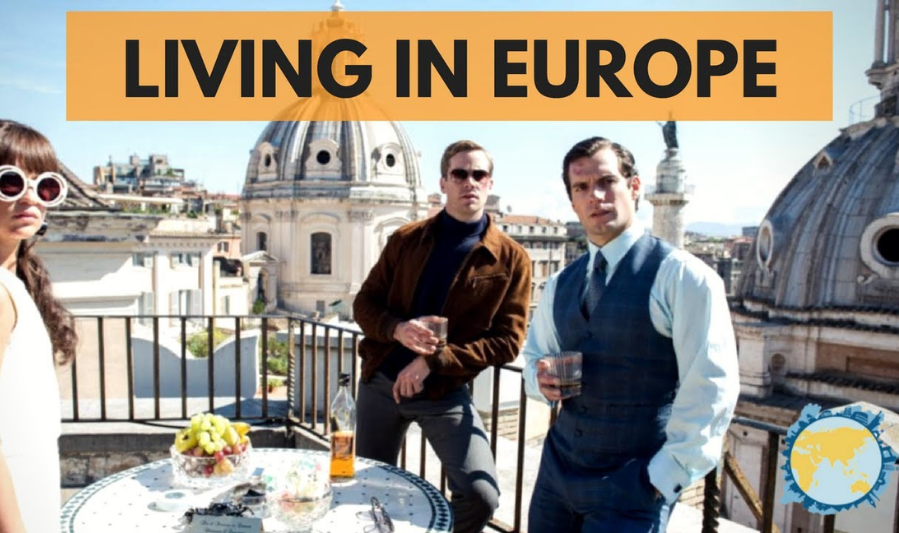
European lifestyle is a unique blend of old traditions and modern development. In cities like Vienna and Paris, historic architecture and cultural heritage exist alongside modern infrastructure, technology, and contemporary lifestyles. This combination creates a balanced way of life where history and innovation coexist.
Living Heritage
Many traditions, festivals, and customs are still actively practiced, even in highly modern urban environments.
Differences Between Countries but Shared Values
Although each European country has its own identity, there are shared values across the continent such as respect for rules, education, and social responsibility. For example, lifestyles in Germany may feel more structured, while countries like Spain are more relaxed, yet both emphasize community and quality of life.
Unity in Diversity
Despite cultural differences, Europeans often share a commitment to well-being, stability, and cultural preservation.
Importance of Balance, Culture, and Quality of Life
A key feature of European lifestyle is the focus on balance between work, personal life, and leisure. Many countries prioritize holidays, family time, and cultural activities as essential parts of life.
Quality of Life Focus
Whether in Sweden or Italy, the emphasis is often on living well, enjoying cultural experiences, and maintaining a healthy work-life balance.
Work-Life Balance in Europe

Importance of Fixed Working Hours
In many European countries, work schedules are clearly defined with fixed working hours to ensure employees maintain a healthy separation between professional and personal life. Countries like Germany and France are known for respecting working time boundaries, with limited overtime expectations in many industries.
Respect for Personal Time
After working hours, employees are generally not expected to respond to work-related matters, allowing time for rest and personal activities.
Paid Holidays and Vacation Culture
Paid leave is an important part of European work culture. Employees in many countries receive generous vacation days, which are often used for travel, family time, or relaxation.
Cultural Importance of Breaks
Taking time off is not only allowed but encouraged, as it supports productivity and long-term well-being.
Countries Like France and Germany
France and Germany are well known for strong labor protections and structured work environments. These countries emphasize efficiency during working hours and encourage employees to fully disconnect during their personal time.
Balanced Professional Culture
The focus is on productivity during work hours and relaxation outside of them, ensuring a stable and balanced lifestyle.
Focus on Mental Health and Stress-Free Living
Across Europe, there is increasing awareness of mental health and the importance of reducing workplace stress. Employers and governments often promote policies that support well-being and prevent burnout.
Well-Being as a Priority
From flexible work arrangements to extended holidays, many European systems are designed to support a healthier and more sustainable way of living.
Social Life and Communication
Meeting Friends in Cafés, Parks, and Public Places
Social life in Europe often takes place in relaxed public settings such as cafés, parks, and town squares. In cities like Paris, meeting friends for coffee is a common daily habit, while in places like Amsterdam, parks and canalside spaces are popular for social gatherings.
Everyday Social Culture
Rather than always meeting at home, people often prefer public spaces that encourage casual conversation and shared experiences.
Differences in Communication Styles Across Regions
Communication styles vary significantly across Europe. Northern countries such as Germany tend to be more direct and straightforward, while Southern countries like Italy often use more expressive and emotional communication styles.
Direct vs Expressive Communication
Both styles are normal within their cultural context, and understanding these differences helps avoid misinterpretation.
Respect for Personal Space
Personal space is an important social norm in many European countries, especially in Northern Europe. People generally prefer a comfortable distance during conversations and avoid unnecessary physical contact unless they know someone well.
Cultural Awareness in Interaction
Respecting personal space helps create comfortable and respectful interactions in both formal and informal settings.
Formal vs Informal Interactions
European communication often shifts between formal and informal styles depending on the situation. In professional environments, formal language and behavior are expected, while among friends and family, interactions become more relaxed and casual.
Adapting to Context
Knowing when to switch between formal and informal communication is an important part of social etiquette across Europe.
Family Structure and Values
Importance of Family Time in Daily Life
Family plays an important role in European life, even in fast-paced modern societies. In many countries, daily routines still include time for shared meals, conversations, and support among family members. In places like France and Italy, family interaction remains a strong part of everyday living.
Emotional and Practical Support
Families often provide emotional stability as well as practical help in areas such as childcare, education, and important life decisions.
Independence of Young Adults
In many European countries, young adults tend to become independent at an earlier age compared to some other regions. It is common for students or young professionals to move out of their family homes for study or work opportunities.
Encouraging Self-Reliance
This independence is often seen as a way to build responsibility, confidence, and personal growth while still maintaining strong family connections.
Family Traditions in Countries Like Italy and Spain
In Southern Europe, especially in Italy and Spain, family traditions are deeply rooted in daily life. Extended families often live close together or meet frequently, and family gatherings are a regular part of social culture.
Strong Intergenerational Bonds
Respect for elders and close relationships between generations are important cultural values, often shaping lifestyle and decision-making.
Weekend and Holiday Family Gatherings
Weekends and holidays are commonly dedicated to family time across Europe. People often gather for long meals, celebrations, or short trips together.
Shared Time and Relaxation
These gatherings strengthen relationships and provide an opportunity to slow down and enjoy time away from work or study routines.
You may also like to read these posts:
Easy Ways to Speed Up Your Slow PC in Minutes
The Ultimate Europe Travel Guide for Beginners
Food and Dining Culture
Importance of Meals in Social Life
Food plays a central role in European social life. Meals are often seen as an opportunity to connect with family and friends rather than just eat. In countries like Italy and Spain, shared meals are an important part of daily bonding and cultural identity.
Social Connection Through Food
Eating together strengthens relationships and encourages conversation, relaxation, and quality time.
Slow Dining Culture and Restaurant Etiquette
Many European cultures value slow dining, where meals are meant to be enjoyed without rushing. In restaurants across countries like France, it is common for meals to last longer, allowing guests to enjoy each course and conversation.
Basic Restaurant Etiquette
Politeness, waiting to be served, and respecting meal pace are important aspects of dining etiquette across Europe.
Famous Cuisines Across Europe
Europe is known for its rich and diverse cuisines, each reflecting local ingredients and traditions. From pasta in Italy to pastries in France, each country has its own signature food culture.
Regional Highlights
- France: fine dining, bread, and pastries
- Italy: pasta, pizza, and regional dishes
- Spain: tapas and shared plates
- Nordic countries: seafood, rye bread, and simple meals
Café Culture in Cities Like Paris
Café culture is an important part of daily life in many European cities. In Paris, cafés are social spaces where people meet, relax, read, or simply observe city life.
Faqs:
What is the European lifestyle like for beginners?
The European lifestyle is a mix of modern living and traditional values, with a strong focus on work-life balance, social life, and cultural diversity across different countries.
Is the lifestyle the same in all European countries?
No, it varies from country to country. For example, Germany is more structured and punctual, while Spain and Italy have a more relaxed and social lifestyle.
How important is work-life balance in Europe?
Work-life balance is very important in most European countries. People usually have fixed working hours, paid holidays, and value their personal time and family life.
What should beginners know about social life in Europe?
Social life in Europe often includes meeting friends in cafés, parks, or restaurants. People also value personal space and polite communication in daily interactions.
Is public transport commonly used in Europe?
Yes, public transport is widely used across Europe. Cities like Paris have efficient metro systems, and cycling is also popular in cities like Amsterdam.
Conclusion
The European lifestyle for beginners is a blend of modern comfort, cultural diversity, and strong traditional values. From work-life balance and social interaction to food culture and transportation, everyday life in Europe is designed to be practical, respectful, and community-oriented.
Whether you are planning to travel, study, or live in Europe, understanding these basic lifestyle elements will help you adapt more easily. Countries like France, Germany, and Italy each offer unique experiences, but all share a focus on quality of life and cultural richness.