
Introduction
Overview of Europe as a Diverse Travel Destination
Europe is one of the world’s most diverse travel destinations, offering a wide mix of languages, traditions, cuisines, and lifestyles across its many countries. From historic cities like Athens to modern cultural hubs like Copenhagen, every destination provides a unique experience shaped by its own heritage and identity.
Cultural Variety Across Regions
Each region in Europe has its own way of life, influenced by centuries of history, geography, and cultural exchange.
Importance of Understanding Cultural Differences Before Traveling
Understanding cultural differences is essential for travelers who want to avoid misunderstandings and show respect for local customs. Simple habits such as greetings, dining etiquette, and public behavior can vary significantly from one country to another.
Preventing Cultural Missteps
Being aware of local norms helps travelers avoid awkward situations and ensures smoother interactions with locals.
How Cultural Awareness Improves Communication and Travel Experience
Cultural awareness enhances communication and makes travel experiences more meaningful. When travelers respect local traditions and behavior, they are more likely to receive warm responses and authentic interactions.
Building Better Connections
Whether visiting cities like Paris or exploring smaller towns, understanding culture helps build trust, appreciation, and deeper connections with local communities.
Understanding European Cultural Diversity
2.1 Western Europe
Countries like France and Germany
Western Europe is known for its structured and organized lifestyle, where daily routines are often well planned and efficient.
Formal Behavior and Structured Lifestyle
People in this region generally value professionalism, clear communication, and organized systems in both social and working environments.
Importance of Punctuality and Politeness
Being on time is considered a sign of respect, especially in professional settings. Politeness in greetings and conversations is also highly important.
2.2 Southern Europe
Countries like Italy and Spain
Southern Europe is known for its warm, social, and relaxed way of life, where relationships and enjoyment of daily life are highly valued.
Relaxed Lifestyle and Social Culture
Daily routines tend to be more flexible, with greater emphasis on spending time with family and friends.
Strong Family Traditions and Long Meals
Family plays a central role, and meals are often long, social events where people connect, talk, and enjoy traditional food together.
2.3 Northern and Eastern Europe
Reserved Communication Style
Countries in Northern and Eastern Europe often have a more reserved communication style, where people may appear quiet or formal at first.
Strong Respect for Privacy and Personal Space
Personal space is highly respected, and people generally prefer calm, non-intrusive interactions in public settings.
High Importance Given to Rules and Discipline
There is a strong cultural emphasis on following rules, maintaining order, and respecting systems, especially in public life and institutions.
Greetings and Social Etiquette

Different Types of Greetings Such as Handshakes and Cheek Kisses
Greetings in Europe vary widely depending on the country and level of familiarity. In many Western and Northern European countries like Germany, a firm handshake is the most common formal greeting. In Southern European countries such as France and Italy, cheek kisses are often used among friends and family, though the number of kisses can vary by region.
Context Matters in Greetings
Formal situations usually require handshakes, while informal or familiar settings may involve warmer greetings like hugs or cheek kisses.
Use of Polite Expressions in Daily Interactions
Politeness is an important part of communication across Europe. Simple words like “please,” “thank you,” and “excuse me” are expected in daily interactions, whether you are in a shop, restaurant, or public service environment.
Building Positive Communication
Using polite expressions helps create respectful and friendly interactions, even in brief conversations with strangers.
Respecting Personal Space in Social Situations
Personal space norms vary across Europe, but generally Northern Europeans prefer more distance in conversations, while Southern Europeans may stand closer during interactions.
Adapting to Local Norms
Observing how locals interact is the best way to understand appropriate physical distance and avoid making others uncomfortable.
Dining Culture and Table Manners
Restaurant Etiquette in Different Countries
Restaurant etiquette in Europe varies by country, but politeness and patience are universally valued. In countries like France and Italy, meals are typically relaxed and meant to be enjoyed slowly, while in Germany service tends to be more structured and efficient.
General Dining Behavior
It is common to wait to be seated, avoid rushing meals, and follow local customs such as keeping hands visible on the table in formal settings.
Tipping Practices Across Europe
Tipping customs differ widely across Europe. In some countries like France, service charges are often included in the bill, while in others such as Germany, rounding up or leaving a small tip is appreciated. In Southern Europe, tipping is generally modest but welcomed for good service.
Key Tip
Always check local expectations, as tipping rules are not uniform across the continent.
Importance of Dining as a Social Activity
Dining in Europe is not just about food—it is a social experience. Families and friends often gather for long meals to talk, relax, and strengthen relationships. In Southern European cultures, meals are especially important social events.
Shared Experience
Eating together is seen as a way to build connection, celebrate traditions, and enjoy quality time.
Café Culture in Cities Like Paris
Café culture is an essential part of daily life in cities like Paris. People often spend time in cafés not just for food or drinks, but to socialize, read, or simply observe city life.
Cultural Significance
Cafés act as social hubs where conversation, creativity, and relaxation naturally come together, reflecting the relaxed yet vibrant lifestyle of French urban culture.
You may also like to read these posts:
Easy Ways to Speed Up Your Slow PC in Minutes
The Ultimate Europe Travel Guide for Beginners
Dress Code and Appearance
Casual vs Formal Dressing Depending on the Country
Dress codes in Europe vary by region and context. In many Northern and Western European countries like Germany and Netherlands, people often prefer simple, neat, and practical clothing for everyday life. In more fashion-conscious cities such as Paris, appearance tends to be more polished and stylish even in casual settings.
Adapting to the Setting
Urban areas generally expect smart-casual attire, while rural or relaxed environments allow more informal clothing.
Modest Clothing Required in Religious Places
When visiting churches, mosques, or other sacred sites across countries like Italy and Spain, modest clothing is often required. This usually means covering shoulders and knees and avoiding overly revealing outfits.
Respectful Behavior
Dressing appropriately shows respect for local traditions and religious values and may be required for entry into certain places.
Fashion Influence in Cities Like Milan and Paris
Cities such as Milan and Paris are global fashion capitals, known for setting trends in clothing, design, and luxury style.
Cultural Expression Through Fashion
In these cities, fashion is not only personal expression but also a reflection of cultural identity and creativity, influencing styles worldwide.
Faqs:
Why is it important to know cultural tips before traveling to Europe?
Knowing cultural tips helps travelers avoid misunderstandings, show respect to locals, and enjoy a smoother and more comfortable travel experience across different European countries.
Do all European countries follow the same etiquette rules?
No, etiquette varies widely. For example, countries like Germany are more formal and punctual, while countries like Spain and Italy have a more relaxed and social culture.
Is English widely spoken in Europe?
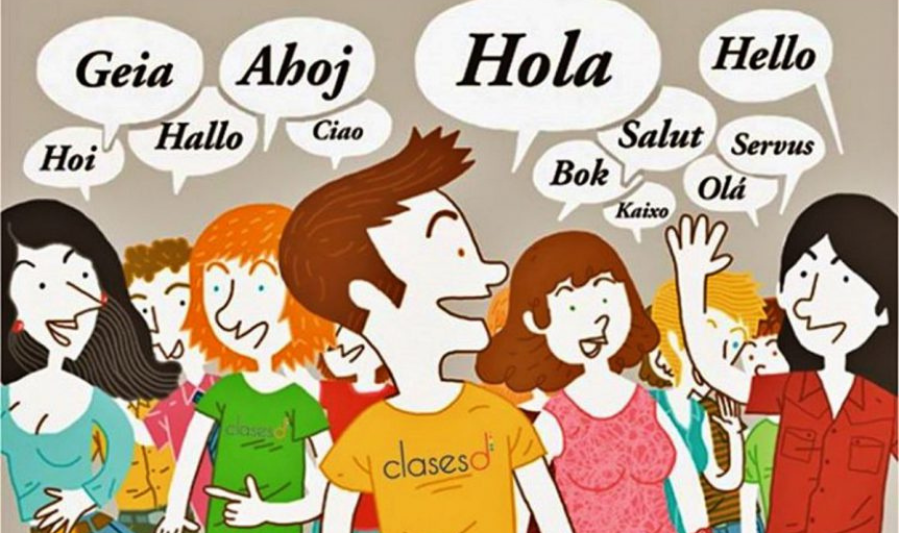
Yes, English is widely spoken in many European countries, especially in tourist areas. However, learning a few local phrases is appreciated and shows respect for the local culture.
What should I know about tipping in Europe?
Tipping practices differ by country. In many places, service charges are included, but small tips are still appreciated in restaurants and cafes, depending on the country and service quality.
Are Europeans strict about punctuality?
Yes, punctuality is highly valued in many countries, especially in Northern and Central Europe. Arriving late to meetings, tours, or reservations is generally considered disrespectful.
Conclusion
Understanding cultural etiquette is an essential part of traveling in Europe. Each country has its own traditions, communication style, and social expectations, which reflect its rich history and identity. From the formal and punctual nature of Germany to the relaxed and social culture of Spain and Italy, Europe offers a wide range of experiences for travelers.
By respecting local customs, learning basic etiquette, and being open to cultural differences, visitors can build better connections with locals and enjoy a more meaningful journey. Ultimately, cultural awareness not only prevents misunderstandings but also enriches the overall travel experience across Europe.