

Introduction
Overview of Europe as a Travel Destination
Europe is one of the most diverse and fascinating travel destinations in the world. From historic cities like Rome and Paris to scenic landscapes in Switzerland and Norway, the continent offers a mix of culture, history, cuisine, and natural beauty. Its compact geography allows travelers to explore multiple countries in a single trip, making it an ideal destination for first-time international travelers.
Common Misconception: “Europe Is Too Expensive”
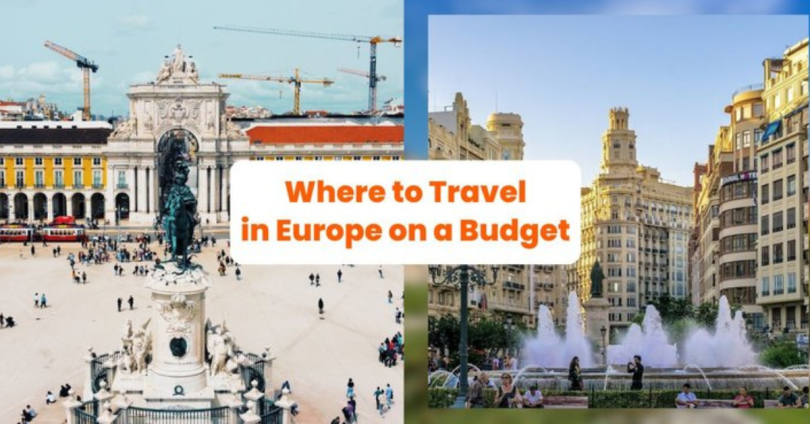
Many beginners assume that traveling to Europe requires a huge budget. While some cities can be pricey, careful planning and smart choices make Europe accessible for travelers on a budget. Affordable accommodations, budget airlines, public transport, and local dining options mean that exploring Europe is possible without overspending.
Purpose of This Guide
This guide is designed to help first-time travelers navigate Europe efficiently and economically. It covers essential tips on budgeting, transportation, accommodation, visas, packing, and itinerary planning, helping beginners travel smart and make the most of their European adventure without unnecessary stress or expense.
Planning Your Budget Trip

2.1 Set a Travel Budget
Estimate Total Trip Cost
When planning a budget-friendly European trip, it’s important to estimate your overall expenses, including:
- Flights: International flights to Europe and domestic flights or trains within Europe.
- Accommodation: Hostels, budget hotels, or vacation rentals.
- Food: Casual dining, street food, and occasional restaurant meals.
- Transport: Public transport, taxis, intercity trains, and buses.
- Attractions and Activities: Entry fees for museums, tours, and sightseeing.
Allocate Daily Spending Limits
Break down your budget by day to control spending. For example:
- Budget travel: $50–$100/day
- Mid-range travel: $120–$200/day
- Luxury travel: $250+/day
Daily limits help you prioritize experiences and avoid overspending.
Use Budgeting Apps to Track Expenses
Apps like Trail Wallet, Mint, or TravelSpend help monitor daily expenditures, track currency conversions, and maintain a clear overview of your spending throughout the trip.
2.2 Best Time to Visit for Budget Travelers
Off-Season vs Peak Season Costs
- Off-Season (late autumn, winter, early spring): Lower prices on flights, accommodation, and attractions. Fewer tourists, but some attractions may have limited hours.
- Peak Season (summer, major holidays): Higher costs and crowded destinations, but ideal weather and vibrant city life.
Pros and Cons of Each Season
- Off-Season:
Pros: Cheaper, fewer crowds, more authentic local experiences
Cons: Shorter daylight hours, colder weather, some seasonal closures - Peak Season:
Pros: Warm weather, lively atmosphere, full range of activities
Cons: Expensive, crowded, need to book well in advance
How to Find Cheap Flights
- Book in advance: 2–4 months before departure is usually best.
- Use flight comparison sites: Skyscanner, Google Flights, Kayak.
- Be flexible with dates and airports: Mid-week departures are often cheaper.
- Set fare alerts: Track price drops and snag deals as they appear.
Careful budgeting and choosing the right travel period allow first-time travelers to enjoy Europe without breaking the bank.
Choosing Affordable Destinations
Comparison of Expensive vs Budget-Friendly European Cities
Europe offers a wide range of destinations, from high-cost cities to more affordable alternatives:
- Expensive Cities:
Cities like London, Paris, Zurich, and Oslo are known for high accommodation, dining, and attraction costs. These are ideal for travelers who prioritize iconic landmarks and luxury experiences. - Budget-Friendly Cities:
Cities in Eastern and Southern Europe, as well as the Balkans, offer great value for money:- Eastern Europe: Budapest, Prague, Krakow
- Southern Europe: Lisbon, Valencia, Athens
- Balkans: Belgrade, Sofia, Sarajevo
These destinations provide rich cultural experiences, historic sites, and good food at a fraction of the cost of Western Europe.
Focus on Eastern Europe, Southern Europe, and the Balkans
- Eastern Europe: Known for charming architecture, historic landmarks, and vibrant nightlife, while staying budget-friendly. Transportation and accommodation are generally cheaper than in Western Europe.
- Southern Europe: Offers beautiful coastlines, Mediterranean cuisine, and sunny weather at moderate prices. Cities like Lisbon or Athens are excellent for travelers seeking culture and beaches without high costs.
- The Balkans: Ideal for adventure and off-the-beaten-path travel. These countries are often less crowded, very affordable, and offer stunning natural landscapes and historic towns.
Tips for First-Time Travelers to Prioritize Destinations
- Start Small: Focus on one region (e.g., Eastern Europe) rather than trying to cover the entire continent.
- Balance Major Cities with Smaller Towns: Combine iconic cities with nearby smaller towns to save money and avoid crowds.
- Consider Travel Time and Transport Costs: Choose destinations that are well-connected by trains or budget flights to minimize long, expensive transfers.
- Set Priorities: Decide whether your focus is culture, food, nature, or sightseeing, and choose destinations that align with your interests.
- Flexibility Pays Off: Being open to less-touristy cities can offer unique experiences at lower costs.
Focusing on affordable destinations allows first-time travelers to explore Europe extensively while keeping expenses manageable.
Flights and Transportation
4.1 Booking Affordable Flights
Best Booking Platforms and Apps
To find cheap flights to Europe, use comparison platforms and apps such as:
- Skyscanner – Flexible search by dates and destinations.
- Google Flights – Track price trends and explore multiple airports.
- Kayak – Includes fare alerts and deals across airlines.
- Momondo – Often highlights lesser-known budget options.
Flexible Dates for Cheaper Fares
- Traveling mid-week (Tuesdays and Wednesdays) usually costs less than weekends.
- Avoid peak holiday periods like summer and Christmas if budget is a priority.
- Being flexible with departure or arrival airports can also save money.
Budget Airlines to Consider
Europe has several low-cost carriers that offer affordable short-haul flights:
- Ryanair – Major coverage in Western and Eastern Europe.
- EasyJet – Focuses on Western Europe destinations.
- Wizz Air – Strong presence in Eastern Europe and Balkans.
- Vueling – Budget airline serving Southern Europe, especially Spain.
4.2 Getting Around Europe
Trains and Eurail Pass Options
- Trains are a scenic and efficient way to travel between European cities.
- Eurail Pass: Offers unlimited train travel across multiple countries for a set number of travel days. Ideal for travelers planning multiple train journeys.
- Book high-speed or popular route tickets in advance to secure the best prices.
Budget Buses: FlixBus, Eurolines
- Long-distance buses are often cheaper than trains, though slower.
- FlixBus – Extensive network covering major cities and smaller towns.
- Eurolines – Another option for affordable intercity travel.
- Buses are best for tight budgets or routes with fewer train connections.
Short Domestic Flights
- Budget airlines provide fast travel across countries when trains are too slow.
- Compare total travel costs, including transportation to/from airports, before booking.
City Transport: Metros, Trams, and Buses
- European cities generally have reliable public transport systems.
- Purchase daily or multi-day passes to save money.
- Useful apps: Citymapper, Google Maps, or local transit apps for planning routes.
- Validate tickets where required to avoid fines.
Efficient flight and transport planning allows first-time travelers to explore Europe widely while keeping costs under control and maximizing sightseeing time.
Accommodation on a Budget
Hostels, Guesthouses, and Airbnb
- Hostels: Offer dormitory or private rooms at affordable rates, often with communal kitchens, lounges, and social activities. Ideal for meeting other travelers and saving money.
- Guesthouses: Smaller, family-run accommodations with private rooms. Typically cheaper than hotels while offering local charm.
- Airbnb: Vacation rentals can be cost-effective for longer stays or groups. Kitchens allow you to prepare meals, reducing dining expenses. Always check verified reviews before booking.
Couchsurfing and House-Sitting for Free Stays
- Couchsurfing: Stay with locals for free, gaining cultural insights and personal connections. Ensure profiles are verified and communicate clearly with hosts.
- House-Sitting: Look after someone’s home (and sometimes pets) in exchange for free accommodation. Websites like TrustedHousesitters connect travelers with hosts seeking caretakers.
Tips for Booking Early and Reading Reviews
- Book accommodations 2–4 months in advance, especially in popular cities or during peak season.
- Read recent reviews carefully, focusing on cleanliness, safety, and the accuracy of photos.
- Check cancellation policies for flexibility in case plans change.
- Compare prices across platforms like Booking.com, Hostelworld, and Airbnb to find the best deal.
Choosing Locations to Reduce Transport Costs
- Stay near public transport hubs like metro stations or bus stops.
- Consider accommodations within walking distance of main attractions to save both time and money.
- In larger cities, staying slightly outside the center can be cheaper if well-connected by transport.
Smart accommodation choices help first-time travelers stretch their budgets while enjoying a comfortable and convenient stay throughout Europe.
Accommodation on a Budget
Hostels, Guesthouses, and Airbnb
- Hostels: Affordable and social, offering dormitory beds or private rooms. Many include shared kitchens, lounges, and organized activities, making them ideal for first-time travelers.
- Guesthouses: Smaller, family-run accommodations providing private rooms at lower rates than hotels. Often offer a more local and authentic experience.
- Airbnb: Vacation rentals can be cost-effective, especially for longer stays or groups. Access to a kitchen allows you to prepare meals and save on dining costs. Always check reviews and host verification.
Couchsurfing and House-Sitting for Free Stays
- Couchsurfing: Stay with local hosts for free, gaining cultural insights and connections. Use verified profiles and communicate clearly before arrival for safety.
- House-Sitting: Take care of someone’s home (and sometimes pets) while they’re away in exchange for free accommodation. Platforms like TrustedHousesitters connect travelers with opportunities.
Tips for Booking Early and Reading Reviews
- Book 2–4 months in advance to secure the best rates, especially during peak travel seasons.
- Read recent reviews carefully for insights into cleanliness, safety, and amenities.
- Check cancellation policies to avoid losing money if plans change.
- Compare prices across multiple platforms like Booking.com, Hostelworld, and Airbnb for the best deals.
Choosing Locations to Reduce Transport Costs
- Stay near public transport hubs (metro, bus, or tram stations) to save time and money.
- Consider accommodations within walking distance of main attractions.
- In larger cities, slightly off-center locations can be cheaper if well-connected to the city center.
Choosing budget accommodations strategically helps maximize savings while keeping your stay comfortable, convenient, and safe.
You may also like to read these posts:
Easy Ways to Speed Up Your Slow PC in Minutes
The Ultimate Europe Travel Guide for Beginners
Food and Dining on a Budget
Eating Like a Local: Street Food and Markets
- Explore street food stalls for quick, affordable, and authentic meals. Examples include bratwurst in Germany, crepes in France, and pizza slices in Italy.
- Visit local markets for fresh produce, snacks, and regional specialties at lower prices than restaurants. Markets often provide a cultural experience along with a budget-friendly meal.
Grocery Stores and Self-Catering Options
- Shopping at grocery stores (e.g., Lidl, Carrefour, or Tesco) allows you to prepare your own meals if staying in hostels or Airbnbs.
- Self-catering can significantly reduce food expenses, especially for longer stays. Buy basics like bread, cheese, fruits, and ready-to-eat items for breakfasts and simple lunches.
Lunch Specials and Budget Restaurants
- Many cities offer lunch menus at reduced prices compared to dinner. Look for “menu del día” in Spain, “menu du jour” in France, or set lunch menus in Italy.
- Budget restaurants and cafes provide local dishes at affordable prices without sacrificing quality.
- Avoid restaurants in heavily touristic areas where prices are inflated.
Avoiding Tourist Traps
- Research restaurants and eateries away from main tourist streets.
- Check online reviews to find well-priced, authentic options.
- Ask locals for recommendations—they often know hidden gems that offer great food at lower costs.
Eating smartly allows first-time travelers to enjoy Europe’s culinary diversity while staying within a budget, making meals both enjoyable and affordable.
Free and Cheap Activities
Walking Tours and Cultural Tours
- Many cities offer free walking tours, often guided by locals who work for tips. They are a great way to explore neighborhoods, learn history, and get insider tips without spending much.
- Self-guided walking tours using apps or maps are another cost-effective way to discover a city at your own pace.
Museums, Parks, and Historic Landmarks with Free Entry
- Many museums and galleries offer free admission on certain days of the month. Check official websites in advance.
- Public parks, gardens, and squares are perfect for relaxing, sightseeing, or enjoying a picnic at no cost.
- Iconic historic landmarks like cathedrals, plazas, and fountains can often be visited for free or at minimal entry fees.
Festivals, Markets, and Events
- Local festivals and street events often provide entertainment without admission fees. Examples include music festivals, cultural parades, or seasonal fairs.
- Farmers’ markets and artisan fairs are great for browsing and tasting local products without spending much.
Scenic Hikes and Outdoor Adventures
- Europe is home to stunning natural landscapes, mountains, and coastal trails. Popular free outdoor activities include:
- Hiking in the Alps, Pyrenees, or Carpathians
- Coastal walks along the Amalfi Coast or Croatian beaches
- Exploring national parks and nature reserves
By focusing on free or low-cost activities, first-time travelers can enjoy rich cultural, historical, and natural experiences in Europe without straining their budget.
Faqs:
Is it possible to travel Europe on a tight budget?
Yes! With careful planning, choosing budget-friendly destinations, using public transport, and eating like a local, you can explore Europe affordably.
Which European countries are cheapest for travelers?
Eastern European countries like Hungary, Poland, Czech Republic, and Balkan countries like Serbia and Bosnia are among the most budget-friendly. Southern Europe (Portugal, Greece) can also be affordable if you avoid tourist hotspots.
How can I save money on flights in Europe?
Book early, travel during off-season, use budget airlines like Ryanair or EasyJet, and compare prices on flight search engines like Skyscanner.
What’s the best way to get around Europe cheaply?
Budget buses (FlixBus, Eurolines), trains with discount passes like Eurail, and budget airlines are great for intercity travel. Within cities, public transport (metros, trams, buses) is cost-effective.
How can I save on accommodation in Europe?
Stay in hostels, guesthouses, budget hotels, or Airbnb. Couchsurfing is an option for adventurous travelers. Booking early and choosing locations near city centers saves both money and travel time.
Conclusion
Traveling Europe on a budget is completely achievable, even for first-time travelers. With smart planning, careful destination choices, and cost-saving strategies for accommodation, transport, and food, you can experience Europe’s iconic cities, culture, and cuisine without overspending.
Remember, budget travel doesn’t mean missing out—it means making thoughtful choices and prioritizing experiences that matter most to you. Stay flexible, embrace local culture, and enjoy every moment of your European adventure while keeping your expenses under control.
